

Why dry electrode technology is the future of wearable biosensing – Introduction
Wearable technology is transforming how we monitor our health, fitness, and wellbeing. From muscle stimulation devices for athletes and rehabilitation, to medical wearables that help detect early signs of disease, the promise is huge. But one often overlooked component makes or breaks these devices: the electrodes that pick up signals from our body.
For decades, most biosensors have relied on gel or adhesive electrodes. They work, but they come with problems — irritation, mess, limited use time, and the hassle of replacing them. At Elitac Wearables, we believe the next leap forward lies in dry electrode technology. Since 2022, we’ve been exploring their use in ECG, EMG, EOG, EDA and bio-impedance monitoring, and what we’ve seen so far makes us confident: dry electrodes are the key to the future of wearable biosensing.
What makes dry electrodes different?
If you’ve ever had an ECG at the hospital, you probably remember the sticky adhesive patches and the cold gel. That gel is necessary in traditional electrodes to create a good connection between the skin and the sensor. The downside? It dries out, causes irritation, and isn’t reusable.
Dry electrodes skip that step. They sit comfortably on the skin without gels or adhesives, making them cleaner, more comfortable, and much easier to use. Even better, they’re reusable, so one set of electrodes can keep working reliably for far longer.
The benefits that matter most for wearable technology
Here’s why dry electrodes are generating so much excitement in the wearables space:
- Comfort you forget about: No sticky residue, no rashes, no discomfort during long wear. Just sensors that feel natural against the skin.
- Reusable & sustainable: Say goodbye to disposable electrodes that need replacing after each use. Dry electrodes last longer, making wearables more cost-effective and eco-friendly.
- Ready when you are: No preparation, no gel application, no waiting. Users can simply put on the wearable and get reliable data straight away.
- Built for everyday life: Perfect for long-term monitoring, whether it’s tracking heart rhythms over days or measuring muscle activity during workouts.
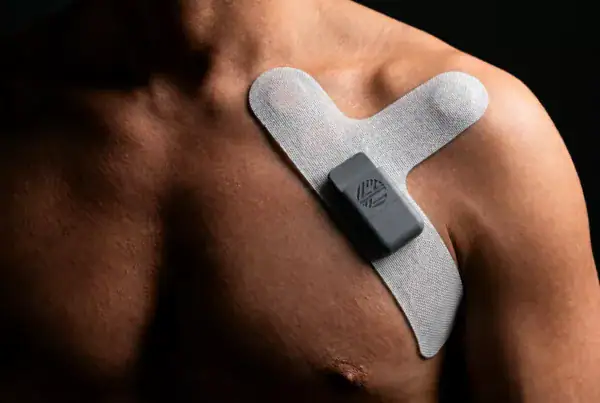
- Seamless integration: Dry electrodes can be built directly into fabrics, straps, or patches — opening up a whole new world of wearable design.
Where dry electrodes excel
At Elitac Wearables, we’ve tested dry electrodes in a wide range of applications:
- ECG (Electrocardiography): Tracking heart health becomes simpler and more comfortable, without the hassle of gels or single-use patches.
- EMG (Electromyography): Monitoring muscle activity is easier with sensors you can put on and take off repeatedly.
- EOG (Electrooculography): Measuring eye movement is less intrusive when electrodes are soft and reusable.
- EDA (Electrodermal Activity): For stress or emotion monitoring, dry electrodes avoid the skin irritation that comes with adhesives.
- Bio-impedance: Long-term body composition and fluid analysis is more practical when the sensors don’t degrade after a few hours.
Why this matters for the future of wearables
If wearable devices are going to be part of daily life — not just something you wear for an hour in the clinic — they need to be comfortable, durable, and effortless to use. Dry electrodes tick all three boxes.
Yes, there are challenges to overcome, like making sure motion doesn’t interfere with signal quality. But these are engineering problems that can be solved with the right design, materials, and signal processing — and we’re already seeing rapid progress.
That’s why we’re confident: the wearables of tomorrow won’t depend on gels or adhesives. They’ll rely on dry electrode technology.
How Elitac Wearables is helping shape this future
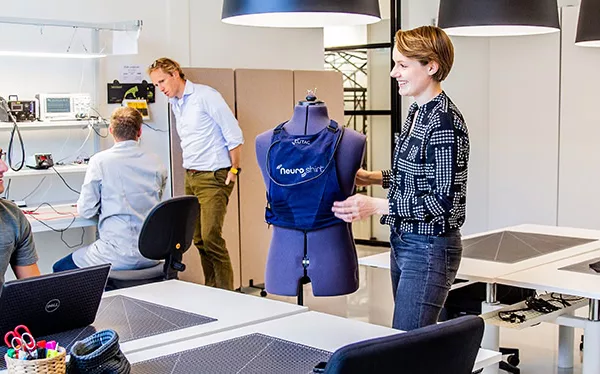
We’ve spent the past few years working hands-on with dry electrodes, testing their limits across different biosignals and wearable formats. Our team brings together expertise in electronics, materials, mechanical design, and signal processing to make sure these sensors don’t just work in the lab, but in real life — on real people.
And because we keep samples in-house, we can help our partners test and compare different electrode types quickly, so they can find the best match for their wearable.
If you’re developing the next generation of health or lifestyle wearables, choosing the right electrodes is critical — and that’s where we come in.
👉 Learn more about how we integrate electrodes into wearables here: Electrodes for Wearables.
Final thoughts
The wearable revolution depends on technology that is accurate, user-friendly, and built to last. Dry electrodes are leading that charge. They remove the barriers of discomfort and disposability, making biosensing wearables truly fit for daily life.
At Elitac Wearables, we’re proud to be exploring and advancing this technology, and we believe it won’t be long before dry electrodes become the standard in wearables worldwide.