

Allied forces share data through wearable devices using a combination of body area networks, encrypted short-range radio links, and integration with broader tactical communication systems. Wearable sensors on individual soldiers collect physiological and positional data that is relayed through mesh networks to command-level platforms, where it can be aggregated and acted upon in real time. The questions below unpack exactly how this works — from what data is collected to the role haptic feedback plays in closing the loop.
What types of data do military wearables collect and transmit?
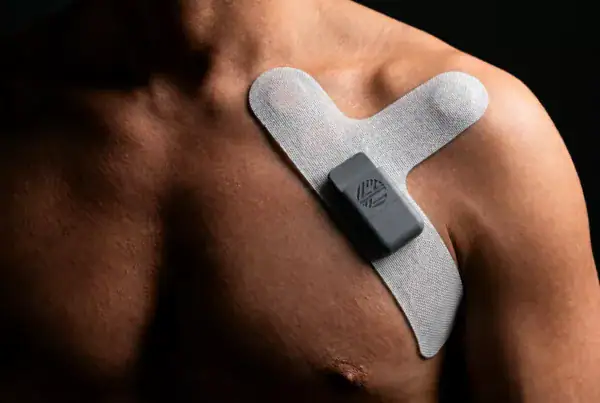
Military wearables collect two primary categories of data: physiological data and positional or environmental data. Physiological data includes heart rate, heart rate variability, respiration rate, body temperature, and stress indicators derived from electrodermal activity. Positional data includes GPS coordinates, movement patterns, and orientation captured through inertial measurement units (IMUs) and accelerometers.
In high-stakes operational contexts, this data is not collected for post-mission review alone. The goal is real-time situational awareness — giving commanders a live picture of soldier readiness and location without requiring verbal communication that could compromise a mission.
More advanced systems also capture environmental data such as ambient temperature, altitude, and exposure to hazardous conditions. Some wearable platforms under development integrate EMG sensors to detect fatigue in specific muscle groups, which has direct implications for load management and injury prevention during long operations.
The challenge is not collection — sensors for all of these signals exist and are well understood. The real difficulty is transmitting this data reliably, securely, and with minimal power draw from a body-worn device that a soldier cannot stop to charge mid-mission.
How do wearable devices transmit data securely on the battlefield?
Wearable devices on the battlefield transmit data securely through a combination of low-power encrypted radio protocols, frequency hopping, and integration with military-grade communication infrastructure. Short-range links between body-worn sensors and a soldier’s personal radio or hub device typically use protocols such as Bluetooth Low Energy or ANT+ in hardened, proprietary implementations, while longer-range transmission to command systems uses encrypted tactical radios.
Security at the hardware level matters as much as encryption at the software level. Military wearables are designed to minimise their radio frequency signature — transmitting in short bursts rather than continuous streams — to reduce the risk of detection or jamming. Data packets are encrypted before leaving the device, meaning that even if a transmission is intercepted, the raw data is unreadable without the correct decryption key.
Frequency hopping spread spectrum (FHSS) is a commonly used technique in military communications that rapidly switches the transmission frequency in a pattern known only to authorised receivers. When applied to wearable data links, this makes it significantly harder for adversaries to intercept or jam the signal.
Power management is a critical constraint here. Every additional layer of encryption and every transmission event draws current from the battery. Designing a wearable that maintains robust security without draining its power supply in two hours requires careful optimisation across firmware, radio duty cycles, and data handling architecture — not just a choice of encryption standard.
What is a body area network and how does it connect allied soldiers?
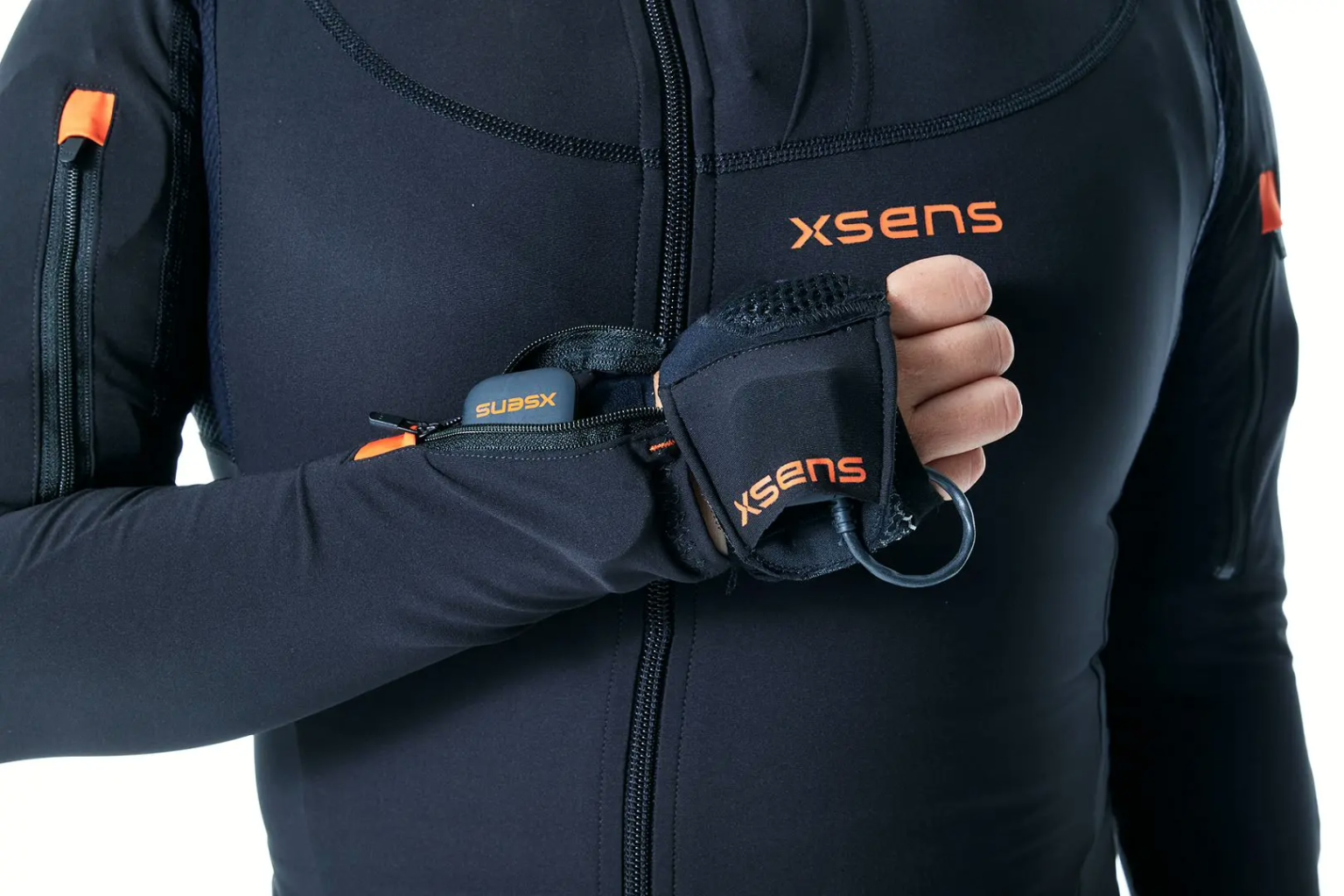
A body area network (BAN) is a short-range wireless network of sensors and devices worn on or close to the body that communicate with each other and with a central hub. In a military context, a soldier’s BAN might include a heart rate monitor embedded in a chest strap, an IMU in a boot, a GPS unit on a vest, and a haptic feedback device on the torso — all connected to a central processing unit that aggregates the data and passes it up the communication chain.
The BAN sits at the lowest layer of a connected soldier architecture. It handles the intra-body communication — getting data from individual sensors to the soldier’s personal hub. Above that, the hub communicates with a squad-level or platoon-level gateway, which in turn connects to broader tactical networks.
For allied forces operating together, the BAN itself is largely standardised within each nation’s system. The interoperability challenge begins at the gateway level, where different nations’ tactical communication platforms must exchange data in formats each system can interpret. NATO standardisation agreements (STANAGs) exist precisely to address this, defining common data formats and communication protocols that allow allied systems to share information without requiring identical hardware.
The practical implication for wearable hardware design is significant. A BAN sensor must be designed not just to collect accurate data, but to output that data in formats compatible with the broader system it feeds into — which may vary depending on the operational context and the allied nations involved.
How do allied forces share wearable data across different military systems?
Allied forces share wearable data across different military systems through standardised data formats, interoperability protocols, and shared tactical network infrastructure. NATO STANAGs define common standards for data exchange, allowing a French soldier’s physiological data to be read by a Dutch command system without manual translation or conversion. At the software layer, middleware platforms act as translators between systems that use different underlying architectures.
In practice, real-time data sharing across allied systems involves several layers working together:
- Device layer: Individual wearable sensors collect raw physiological and positional data and transmit it to the soldier’s personal hub via the body area network.
- Hub layer: The hub aggregates sensor data, applies initial processing, and transmits compressed, encrypted data packets to the squad or platoon gateway.
- Network layer: Tactical radio networks carry data between units, using agreed protocols to ensure packets can be routed and received correctly across allied systems.
- Command layer: Command platforms ingest data from multiple national systems, apply a common operational picture, and present actionable information to commanders.
The Mission Navigation Belt developed by Elitac Wearables for the Royal Netherlands Army illustrates one aspect of this challenge well. The belt integrates with existing GPS systems to deliver silent navigation cues to soldiers via haptic feedback — but doing so requires the wearable to receive and interpret positional data from the broader tactical network reliably and in real time. That integration work, bridging the wearable hardware layer with existing military communication infrastructure, is where many development efforts stall.
What are the biggest technical challenges in military wearable data sharing?
The biggest technical challenges in military wearable data sharing are interoperability between national systems, power constraints, signal reliability in complex environments, and data latency. No single challenge dominates — they compound each other, and solving one often creates pressure on another.
Interoperability and standardisation
Different nations field different tactical communication platforms, and even within a single military, legacy systems may not have been designed with wearable data integration in mind. Getting a wearable sensor’s output into a format that a 15-year-old command system can interpret is not a trivial software problem. It often requires custom middleware, and any middleware layer introduces additional points of failure.
Power and battery life
A wearable device that runs out of power mid-mission is worse than no device at all — it creates a data gap at exactly the moment when situational awareness matters most. Military wearables must balance the power demands of continuous sensing, data processing, encryption, and radio transmission against a battery that cannot be easily swapped or recharged in the field. This is a system-level engineering problem that touches firmware, hardware component selection, radio duty cycles, and data architecture simultaneously.
Signal reliability and environmental conditions
Urban environments with dense structures, underground operations, and heavily forested terrain all degrade radio signal quality. Military wearables must maintain reliable data links in conditions that would challenge commercial wireless devices. Mesh networking approaches, where each soldier’s device can relay data for others, help with coverage but add complexity to the network design and increase power consumption at the device level.
Motion artefacts in biosignal sensing
Collecting accurate physiological data from a soldier who is running, crawling, or operating under physical stress is genuinely difficult. Motion artefacts — signal distortions caused by body movement — are a persistent problem in wearable ECG and EMG systems. Dry electrode designs and advanced signal processing algorithms reduce this, but eliminating it entirely requires careful integration of the sensor into the garment and close attention to how the device sits against the body during dynamic movement.
How does haptic feedback fit into allied force data sharing?
Haptic feedback is the output layer of military wearable data sharing — the mechanism by which processed information is delivered to the soldier as a silent, eyes-free signal. Rather than displaying data on a screen or transmitting it as audio, haptic systems translate incoming data into vibration patterns or pressure cues felt directly on the body, keeping the soldier’s hands, eyes, and ears available for the task at hand.
In a connected soldier architecture, haptic feedback closes the loop between the data network and the individual. A soldier’s wearable receives navigation instructions, threat alerts, or formation cues from the tactical network and converts them into specific vibration patterns the wearer has been trained to interpret. The Mission Navigation Belt is a direct example: GPS positional data from the broader system is processed and delivered as directional haptic cues to the torso, enabling silent, screen-free navigation in operational conditions.
For allied forces specifically, haptic feedback introduces an additional design consideration. The vibration patterns and their meanings must be consistent across allied units for shared cues to be actionable. A haptic signal that means “move left” in one national system must either match the convention used by allied partners or be configurable at the device level. This is a human factors and standardisation challenge as much as a technical one.
The engineering of effective haptic systems for military use is more demanding than it appears. Actuator selection — whether ERM, LRA, or piezo — affects how signals feel through clothing and body armour. Firmware-level timing determines whether a pattern is distinguishable under stress. And integrating the haptic elements into a garment that must also be durable, washable, and comfortable under load requires genuine expertise in electronics-textile integration, not just electronics alone.
How Elitac Wearables helps with military wearable data sharing
Designing wearables that function reliably within military data-sharing architectures requires every discipline to work together from the start — sensor selection, firmware, haptic system design, textile integration, and communication protocol compatibility cannot be treated as separate workstreams. Elitac Wearables brings all of these capabilities under one roof, which is why organisations like the Royal Netherlands Army have chosen them as a development partner.
For defence and allied-force wearable projects, Elitac’s contribution spans the full development chain:
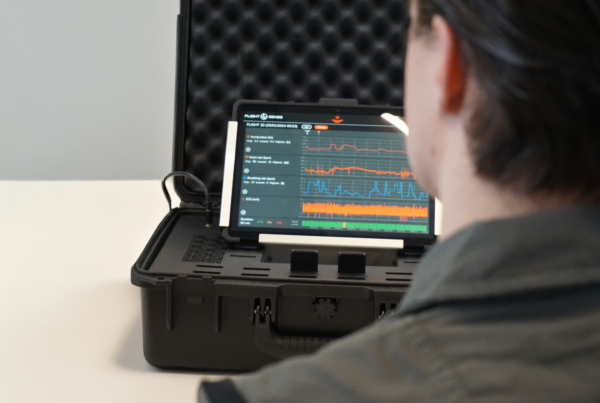
- Biosignal sensing: Dry electrode design and motion artefact mitigation for physiological monitoring in high-movement, operationally demanding conditions, drawing on experience from the Flight Sense System.
- Haptic system engineering: Actuator selection, firmware-level pattern design using the proprietary TacOS operating system, and integration into garments that must perform under field conditions — as demonstrated by the Mission Navigation Belt.
- Electronics-textile integration: Over a decade of experience embedding electronics into body-worn systems that are flexible, durable, and compatible with the physical demands of military use.
- Power optimisation: System-level battery performance work that extends operational life without requiring a larger enclosure or a hardware redesign.
- Certification and compliance: Guidance on military certification requirements from the earliest stages of hardware design, not as an afterthought before production.
If you are developing a wearable system for defence or allied-force applications and need a partner with proven experience at every layer of the stack, speak with Elitac Wearables about your project requirements.
Related Articles
- What are the benefits of electronics integrated into textiles?
- What are the ethical concerns around soldier surveillance via wearables?
- How do wearables help treat battlefield injuries faster?
- What is the real ROI of investing in a custom wearable product?
- How do you conduct user research for a wearable product?