
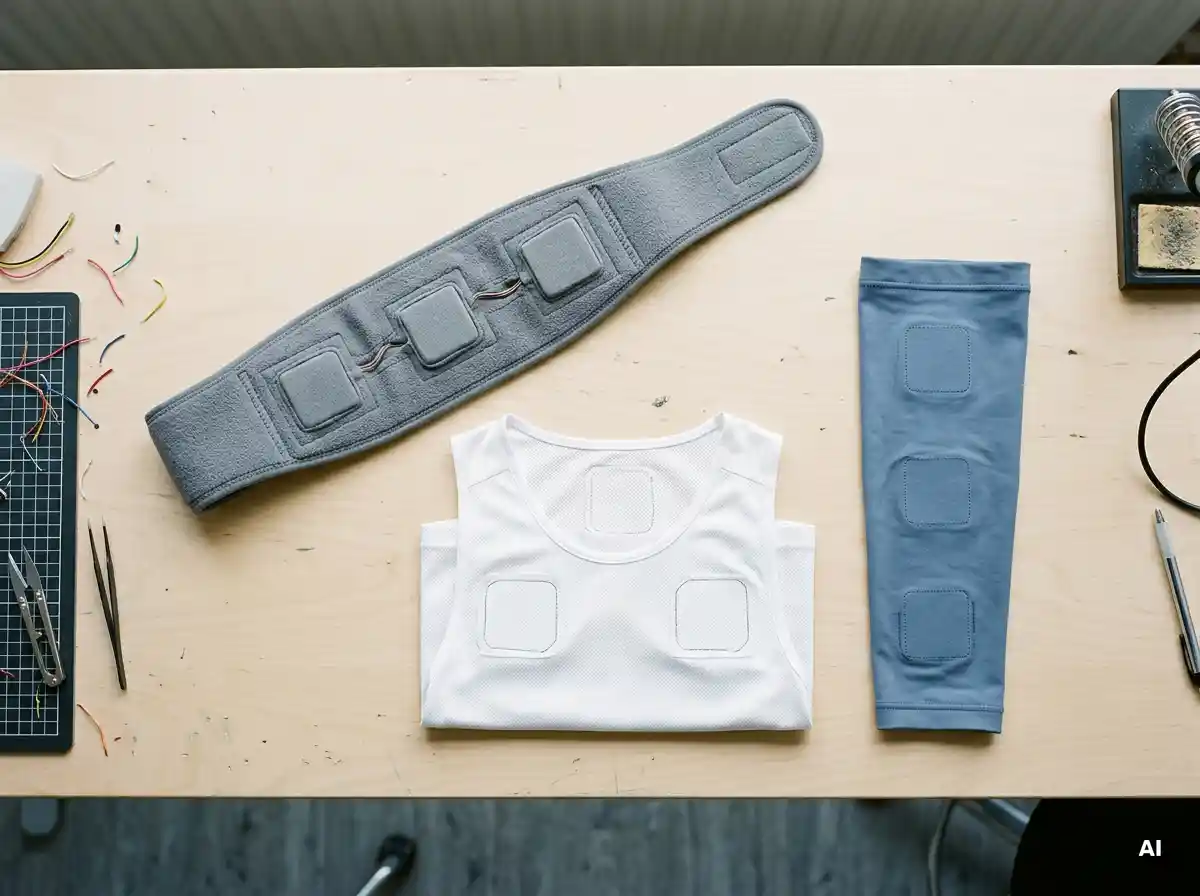
You adapt an existing wearable platform by confirming that its core hardware, firmware, and body interface can support the new application, then changing only what the new use case demands: sensors, actuators, textile interface, firmware behavior, and certification scope. Adaptation works when the platform’s architecture is sound and the gap is limited. It fails when the new application breaks the platform’s basic assumptions about the body, the environment, or the regulations.
Most teams underestimate how much a new application changes. A wearable that works for sports tracking behaves differently when it supports a medical use or a field operation. The sections below cover how to judge adaptability, what usually changes, how to rework haptics, what testing is needed, and when starting over is the smarter move.
How do you know if a wearable platform is adaptable?
A wearable platform is adaptable when its core architecture has headroom for the new application: spare processing capacity, flexible firmware, a modular hardware design, and a body interface that suits the new wearing position and duration. If the platform meets those conditions, adaptation is usually faster and cheaper than a new build.
Check these points before committing to an adaptation path:
- Power and processing headroom: The new application often adds sensors, data processing, or longer wear time. A platform already running near its battery or memory limit has no room to grow.
- Modular architecture: Separable sensor, actuator, and communication modules let you swap parts without redesigning the whole device.
- Firmware access and structure: If you control the firmware and it is organized so behavior can change without rewriting the core, adaptation is realistic. Locked or poorly documented firmware is a serious warning sign.
- Body interface fit: The garment, strap, or enclosure was shaped around one body location and one type of movement. A new application may need a different location, a different fit range, or washability the original never offered.
- Documentation and design history: Complete hardware files, test records, and component sourcing data make every later step easier, and they matter for certification.
A short feasibility check, with an honest list of the gaps between the old and new use cases, will tell you more than any amount of optimism. The gap list is the real measure of adaptability.
Which parts of a wearable usually need changing?
When you repurpose wearable technology, the parts that change most often are the sensors, the actuators, the firmware logic, the textile or enclosure interface, and the power budget. The processing core and communication stack frequently carry over unchanged, which is where most of the savings in adaptation come from.
Sensors and signal handling
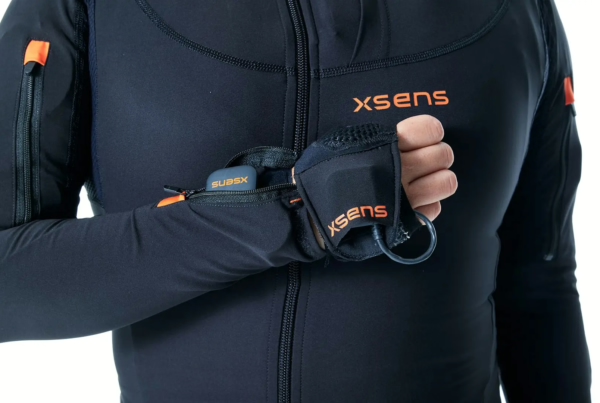
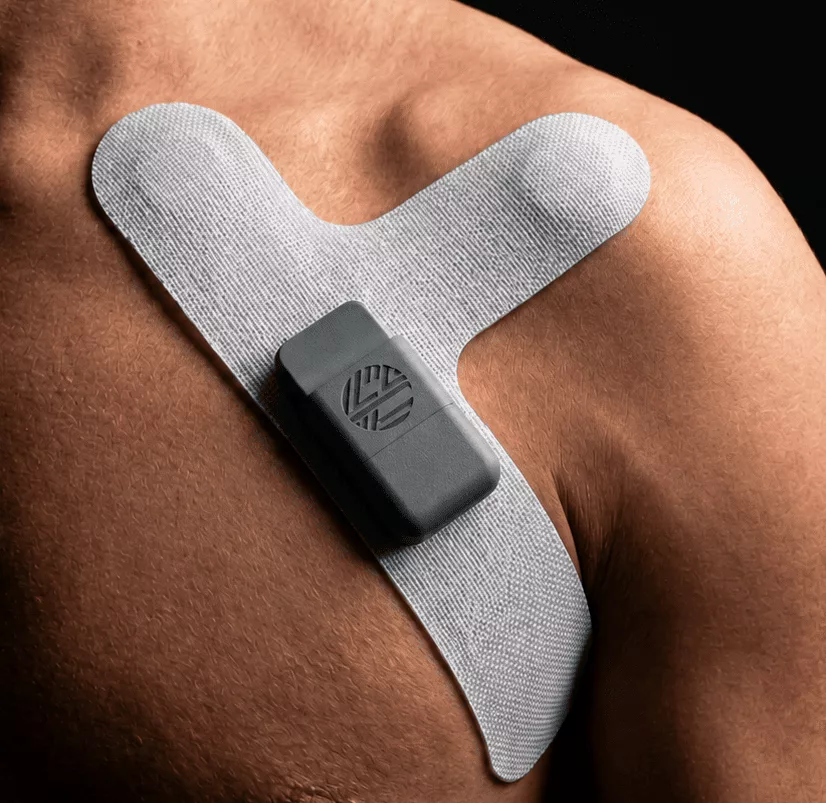
Sensors behave differently on a moving body than on a bench. A new application may need a different sensing principle altogether, such as adding ECG or EMG to a platform built around motion sensing. Dry electrodes, for example, need careful selection for high-movement conditions, and motion artifacts become the main technical problem. Even a familiar sensor needs new filtering and calibration when the wearer, the placement, or the activity changes.
Hardware, textile, and power
The mechanical and textile layer is where adaptation surprises teams most. Integration techniques range from conductive yarns to printed electronics to modular electronics attached to a garment, and the right choice depends on washability, flexibility, and wear duration. A different application can invalidate the original choice. Power is the other common change. New sensors, radios, and wear times shift the battery budget, and in many cases the fix lies in firmware duty cycles and data handling rather than a bigger battery, which would trigger enclosure and tooling changes.
Firmware changes almost every time. New sensing modes, new haptic patterns, new data rates, and new user interactions all live in firmware, so a platform with a clean, extensible firmware structure adapts far more easily than one with logic hard-wired to a single use.
How do you adapt haptic feedback for a new use case?
You adapt haptic feedback by re-deciding three things for the new context: the actuator type, the placement on the body, and the vibration patterns that carry meaning. A pattern that works for a navigation cue will not automatically work for balance correction or an alert in a noisy industrial setting.
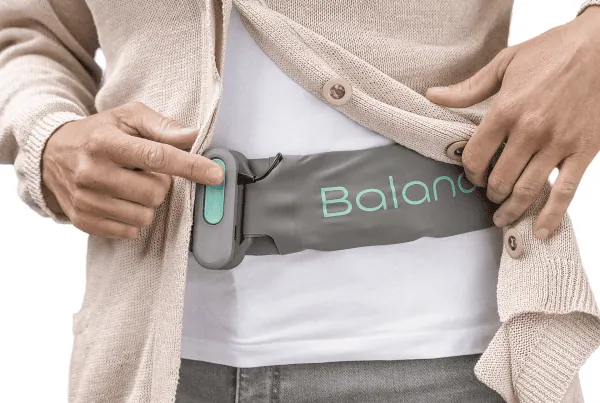
Start with the actuator. ERM, LRA, and piezo actuators differ in response speed, power draw, size, and the sensation they produce, so a switch in application may justify a switch in actuator. Next, consider body placement. Skin sensitivity varies across the body, and clothing, movement, and ambient vibration all affect whether a cue is noticed. A belt around the waist, a strap on the shoulder, and a sock under the foot each demand different spacing and intensity.
Then rework the patterns. The signal language must match what the wearer needs to understand and how fast. Haptic design includes firmware-level timing, not just choosing a motor, so changes to the use case usually mean changes to the code that drives it. Silent, screen-free cues suit situations where eyes, ears, and hands are busy, but only if users can learn and reliably interpret them under stress.
Test with real users early. Haptic perception is subjective and context-dependent, and a bench measurement of vibration amplitude says little about whether a wearer feels, understands, and trusts the cue.
What testing and validation does the new application require?
A new application requires fresh testing, because results from the original use do not transfer automatically. You need to validate technical performance, comfort and usability with real wearers, durability in the new environment, and, where relevant, clinical or field performance against the new requirements.
- Technical verification: Confirm sensor accuracy, battery life, data integrity, and connectivity under the new conditions, including movement and sweat.
- User validation: Check comfort, fit across body types, interaction clarity, and whether wearers actually perceive and act on feedback.
- Environmental and durability testing: Washing, heat, moisture, impact, and repeated wear can expose failures the original use never triggered.
- Application-specific validation: Medical uses call for clinical validation, and field uses call for trials in realistic conditions.
Validating early saves money. Research and industry experience suggest many wearable prototypes stall because teams test too late, not because the technology is infeasible. Building a small set of functional demonstrators to check interaction, comfort, and perceived value before committing to tooling gives you clarity while changes are still cheap.
Does a new application trigger new certification requirements?
Yes, often. Certification depends on the intended use, not the hardware, so a platform certified for one purpose does not carry that status into a new application. A shift from wellness to medical use, or from general use to hazardous environments or military deployment, can bring a different regulatory framework.
The main frameworks differ by application:
- Medical use: Falls under the EU Medical Device Regulation, with requirements that scale with device class, plus quality management and clinical evidence.
- General market access: CE marking covers the baseline for products sold in Europe.
- Hazardous environments: ATEX requirements apply where explosive atmospheres are possible.
- Military use: Defence programs set their own qualification requirements.
The practical lesson is to let certification shape design from the start. Component choices, materials, documentation habits, and software development processes all affect how hard certification will be. Discovering a regulatory gap after the adaptation is finished means rework, so map the target regulations during the feasibility phase and design to them.
When is adapting better than building from scratch?
Adapting is better when the existing platform’s architecture, body interface, and regulatory position remain mostly valid for the new application, and the list of required changes is short and well understood. Building from scratch is better when the new use case breaks the platform’s core assumptions.
Adapt when:
- The processing core, communication stack, and power architecture still fit the new requirements.
- Changes are concentrated in sensors, actuators, firmware, and the textile interface.
- Existing design documentation and test history are complete and reusable.
- The new application sits in a similar regulatory category.
Build new when:
- The form factor, wear location, or wear duration is fundamentally different.
- The platform has no power or processing headroom and no path to create it.
- Firmware is closed, undocumented, or too tightly coupled to the old use.
- The new regulatory class demands a development process the original product never followed.
A staged approach lowers the risk of choosing wrongly. A feasibility check and a proof of concept on the existing platform reveal whether adaptation holds up before a major budget is committed. If the gap list keeps growing, that is your signal to rebuild.
How Elitac Wearables helps with adapting a wearable platform
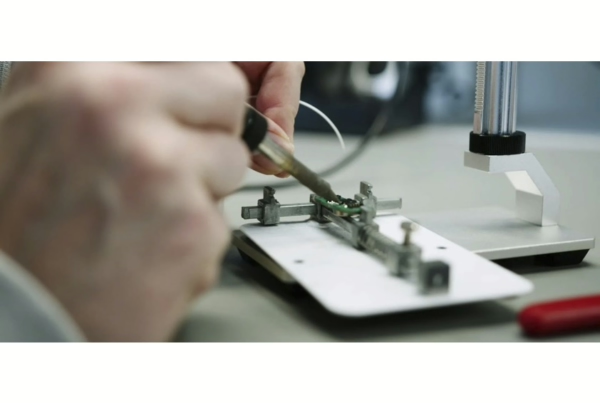
Elitac Wearables works as an extension of your team, combining hardware, firmware, textile, and haptics expertise under one roof, with an in-house 180m² Wearables Lab for fast iteration. Whether you need to judge adaptability or carry the adaptation through to certified production, the team covers every step. That includes:
- Feasibility checks that map the gap between your current platform and the new application
- Haptic actuator selection, pattern design, and firmware adaptation, including the proprietary TacOS operating system
- Electronics and textile integration for washable, flexible, body-worn use
- Rapid demonstrators to validate comfort and interaction before tooling investment
- Certification guidance covering MDR, CE marking, ATEX, and military requirements
Curious how the process runs in practice? See how we work, learn more about working with us, or contact us to discuss your platform and your new application.
Related Articles
- Can a wearable development partner support just one part of a project?
- Who should own system integration in a wearable co-development project?
- How do you share design files between wearable development partners?
- Why are wearables becoming essential in modern defence?
- How do haptic wearables communicate real-time data to users?